Xplorich
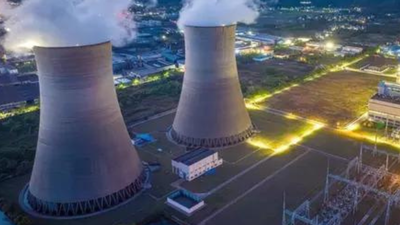
NEW DELHI: Amid concerns over the impact of intermittent renewable energy generation on grid stability, state-run NTPC has decided to set up flexible coal-fired thermal power units to provide balancing support and ensure reliable power supply.The power giant said rapid expansion of renewable energy capacity was transforming the power sector and advancing the country’s clean energy ambitions, but its growing share was also increasing the need for flexible power sources that can quickly respond to changing grid conditions.NTPC has invited expressions of interest for sub-critical thermal power units of 150-250 megawatt (MW) capacity that can operate in two shifts and run at a minimum technical load of 25% of their installed capacity. These units are intended to balance fluctuations in electricity demand and renewable energy generation rather than operate continuously at full load.“Through this initiative, NTPC aims to identify technology providers and EPC (engineering, procurement and construction) partners for developing highly flexible thermal generation solutions, reinforcing its commitment to grid reliability, stability and India’s evolving energy transition needs,” the company said.NTPC said its entire thermal fleet was currently operating at a technical minimum load of 55% during periods of low demand and providing various grid-support services that help maintain frequency, keep reserve power available and adjust generation in response to fluctuations in renewable energy output, thereby improving grid flexibility and reliability.With limited hydroelectric capacity, gas-based generation and large-scale energy storage systems available for balancing the grid, thermal power plants continue to play a critical role in supporting power supply.While solar power contributes nearly 25% of electricity demand during daytime hours, its intermittent nature due to weather conditions, seasonal variations and geographic factors requires constant support from thermal plants to maintain stable power supply and grid frequency. The role of thermal plants increases during night hours when solar generation is unavailable.Explaining its preference for the technology, NTPC said its operational experience suggested that sub-critical thermal units may offer greater flexibility than supercritical and ultra-supercritical technologies for certain grid-balancing requirements due to lower operational stress caused by smaller parameter variations. Their ability to operate efficiently at lower loads and adapt to frequent start-stop cycles could make them an important enabler for higher renewable energy integration in the future, the company said.