Xplorich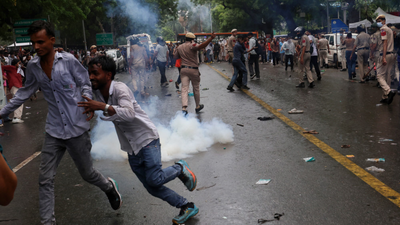
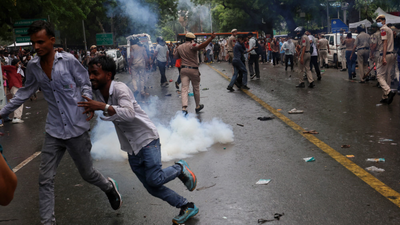
NEW DELHI: The Supreme Court on Tuesday directed Delhi and all state governments to release all arrested or detained protesters under the age of 18 with no criminal antecedents and ordered the police to preserve all digital evidence.The court also noted that a fair and independent probe into all allegations of “police excesses against protesting NEET students” was required. The top court’s observations come as the opposition continues to protest the use of pellet guns against demonstrators marching towards Parliament on July 20.“Whosoever committed excesses, took law in their hands should be taken to task”, the court ovserved as per news agency PTI, adding: “Once there is violation of defined protocol, law must take care of it.” The top court said a prima facie case had been made out for a transparent inquiry by a commission and added that the exercise should help frame a protocol for handling such situations in the future.The hearing also brought before the court allegations of police excesses from several states, including claims that a police officer in Bihar used an AK-47 against peaceful protesters.The Supreme Court also sought responses by Monday from states where incidents of violence were reported during the student protests. The apex court further directed the authorities to preserve digital records collected through CCTV cameras, facial recognition systems and drones. It ordered that such material, as well as the personal data of protesters, must not be placed in the public domain.ALSO READ | ‘No protester will be left alone’: CJP claims Centre promised no FIRs in NDA states after midnight talksSenior advocate Prashant Bhushan separately referred to a petition filed on behalf of protest volunteer Junaid Malik, alleging that he and his family were assaulted by the police.Taking note of the submissions, Chief Justice Surya Kant said the material placed before the court suggested there were allegations that warranted closer examination.“If we start looking at individual facts… the most conservative language we can use is that there is, prima facie, a case of violence involved. That’s why we are hearing these matters.”Appearing for the central government and the Delhi Police, solicitor general Tushar Mehta said the petitioners had accused the police of using excessive force during the protests and maintained that any wrongdoing by the police must be dealt with.“If that is the case, they must be punished and action must be taken.”At the same time, Mehta told the court that more than 250 police personnel had also sustained injuries during the protests.“There is one truth, another truth, and then there is The truth, which this Court needs to examine.”The chief justice observed that the allegations of attacks on police personnel also required investigation and sought clarity on who was responsible.“For these attacks on police officials, the issue also needs to be addressed. Is it done by students or by…?”Responding to the query, Mehta said the authorities did not believe the students had attacked the police. He submitted that the violence may have been carried out by miscreants or “uninvited guests” who had infiltrated the protest.Justice Joymalya Bagchi also cautioned against attributing violence to an entire movement, observing, “There are always people discrediting a peaceful crowd.”ALSO READ | Murder, robbery, rape and kidnapping accused among 989 with criminal records at CJP’s Jantar Mantar stir