Xplorich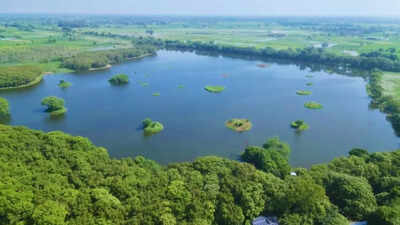
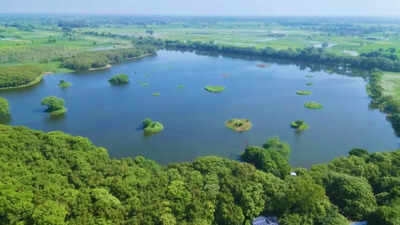
NEW DELHI: Shekha Jheel Bird Sanctuary of Aligarh, Uttar Pradesh has got an international tag of Ramsar site, taking India’s total of such protected wetlands to 99 and the state’s tally to 12.Globally, there are nearly 2,594 such designated wetlands under the 1971 Ramsar Convention. India has the highest number of such wetlands in Asia and third highest in the world after the UK (176) and Mexico (144).“This partially human-made wetland complex, comprising Shekha Jheel Lake and surrounding deciduous forest, was formed following the construction in the 1850s of the Upper Ganges Canal, which flows adjacent to the site,” said the Convention secretariat on its website.Highlighting the ecological importance of the site, Union environment minister Bhupender Yadav on Wednesday said, “Shekha Jheel acts as a crucial stopover on the Central Asian Flyway, providing a vital habitat for migratory birds such as the Bar-headed Goose, Painted Stork and various ducks during the winter season.” He through his post on X also appealed to people to visit the site.The site has been designated as an Important Bird and Biodiversity Area (IBA) by BirdLife International due to its importance for bird conservation. It also supports other water-dependent species, such as three threatened turtle species: the black pond turtle, Indian flap-shelled turtle and Ganges soft-shelled turtle. The number of Indian wetland sites in the global list of Ramsar Convention has increased from 26 to 99 in the past 11 years, of which 57 have been added in the last four years.Wetlands are land areas covered by water, either temporarily/ seasonally or permanently. These are critical ecosystems that play a significant role in supporting biodiversity, and providing various ecosystem services such as flood control, water supply, food, fibre and raw materials.The Convention was adopted in 1971 in the Iranian city of Ramsar, providing a framework for the conservation and wise use of wetlands across its 172-member countries including India.